

Who We Are
Beyond Stigma was founded on a simple belief: everyone deserves to know their worth.
Over the past fifteen years, our work has grown from a pioneering programme co-created with people living with HIV in Zimbabwe into an Irish not-for-profit organisation working alongside communities across the Global South and Ireland.
Our story is one of listening, inquiry, learning and partnership, and it continues to evolve with every community we work alongside.
Our Story
Beyond Stigma didn't begin with an organisation…
It began with a question.
After more than 25 years working in HIV and international development, Dr Nadine Ferris France returned to Ireland during a difficult period in her life. A simple question from another parent triggered powerful feelings of shame and self-doubt. Although she had spent years working to challenge stigma, she found herself experiencing it from within.
-
The Insight
Through personal reflection, later academic research with people living with HIV in Ireland, and training in inquiry-based stress reduction (IBSR), Nadine began to understand something important.
For decades, efforts to reduce stigma focused on changing society's attitudes and reducing discrimination. That work remains essential. But even when external stigma begins to fade, many people continue to carry shame, self-blame and beliefs that they are somehow not good enough.
The stigma around people can change. The stigma within can remain.
The Partnership
When Nadine shared her research, it resonated strongly with Deirdre Ní Cheallaigh, who was leading HIV programming in Zimbabwe with an Irish development agency, Trócaire. Together they recognised a gap. Existing programmes were helping communities challenge stigma, but few were helping people challenge the shame they carried about themselves.
The Programme
Working alongside community leaders from the Zimbabwe National Network of People Living with HIV including Sylvia Vumbunu and Nyasha Tugwete, and with IBSR-Certified Facilitators Susan Vielguth, Margot Diskin and Evie Gibbens, they co-created ‘We Are the Change’. The programme combined lived experience, peer support, creativity and Inquiry-Based Stress Reduction to help people reconnect with their worth.
Participants reported greater self-acceptance, confidence and hope and reduced depression. Many later became Coaches themselves, bringing the work to others in their communities.
The Organisation Today
That programme became the foundation of Beyond Stigma.
Today, Beyond Stigma works with communities globally and in Ireland to transform internal stigma into self-worth through research, community leadership and evidence-informed programmes. Our work has informed programmes supporting people living with HIV, migrant women, people experiencing obesity-related stigma, those affected by TB, gender-based violence, LGBQTI and other communities affected by shame, exclusion and self-stigma.
Because lasting change does not only happen around us. It begins within us too.
Our Strategy
We support underserved people and communities to overcome stigma and embrace self-worth through co-creation, lived experience and inquiry-based stress reduction.
Together we transform internal stigma and shame into self-worth, self-agency and positive mental health.
We do this through three strategic pillars.
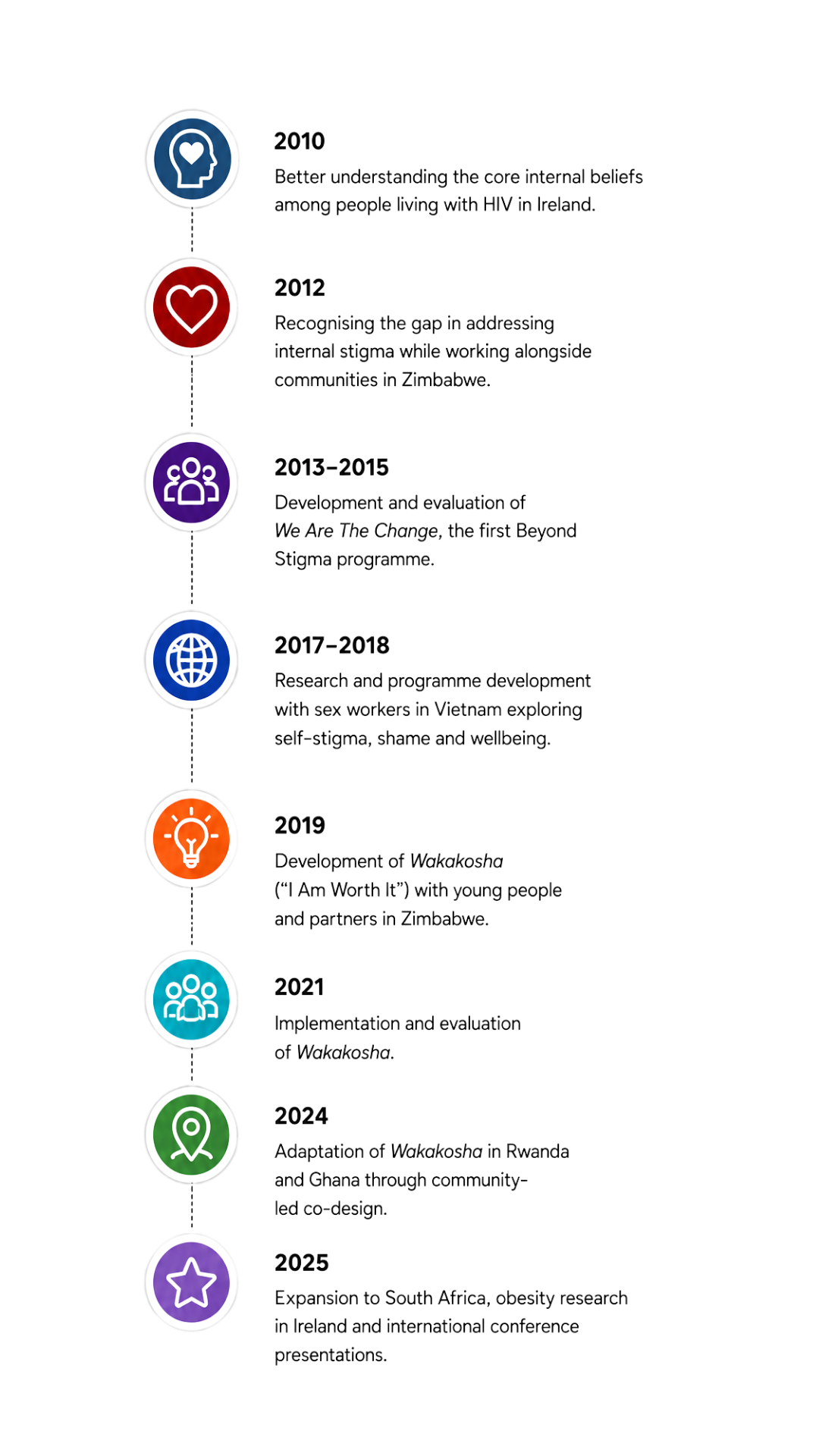
Our Organisational Journey
Meet the Team
-
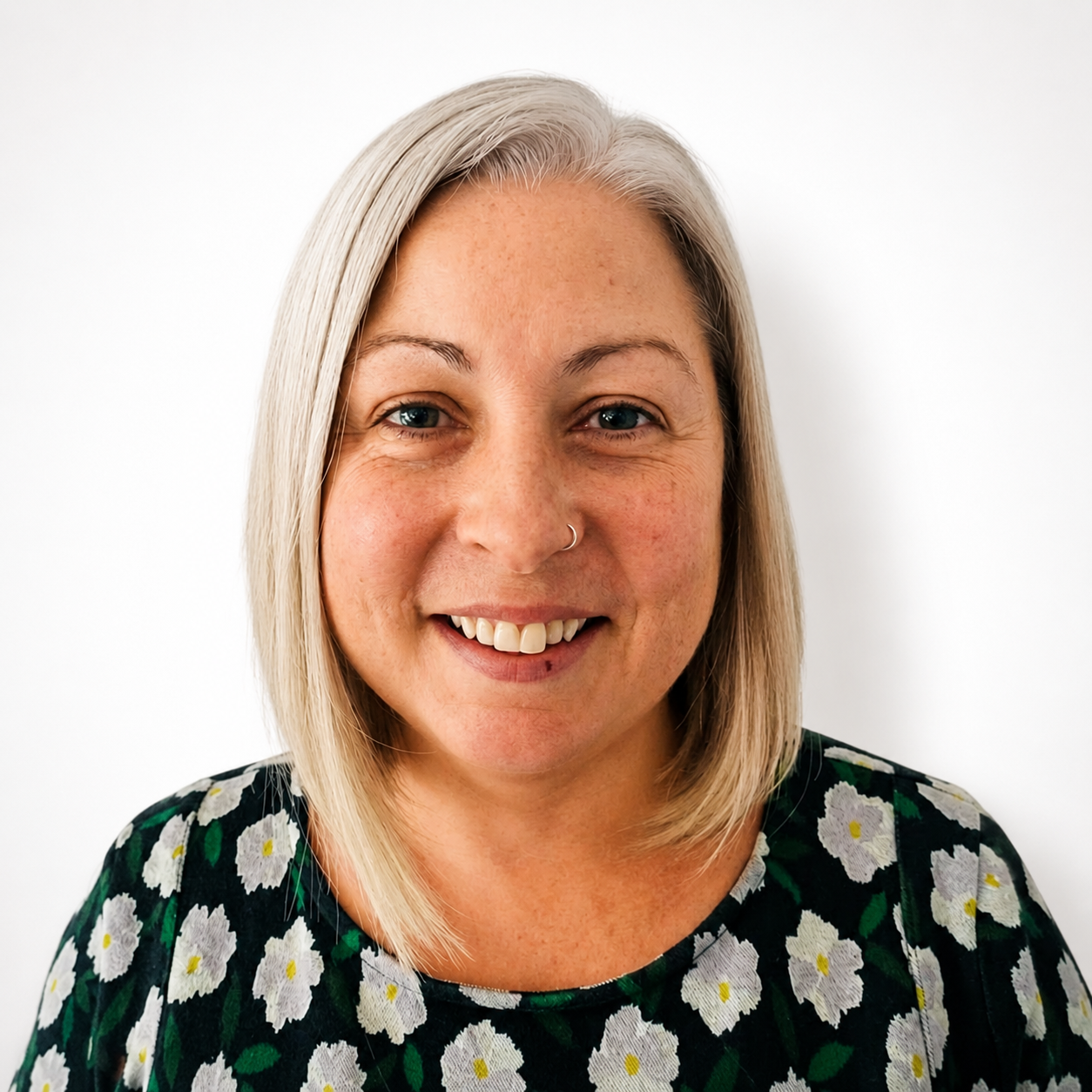
![Dr Nadine Ferris France]()
Dr Nadine Ferris France
Co-Founder & CEO
Nadine leads from the heart and has spent over 25 years working in HIV and global health within United Nations and civil society agencies, as well as in academic institutions in Asia, Africa and her home country, Ireland. Nadine is the co-founder and CEO of Beyond Stigma. She has a PhD focused on internal stigma among people living with HIV and a Master's in Global Health. She is a Certified Facilitator of The Work of Bryon Katie, a Life Coach and is part-time Executive Director of the Irish Global Health Network.
She is extremely passionate about internal stigma and self-worth. Based on her own personal and professional experience, at Beyond Stigma, she has worked with incredible people to co-design an innovative approach to support people living with HIV, survivors of gender-based violence, sex workers, people living with obesity, and other marginalised groups in Zimbabwe, Vietnam, Ireland and elsewhere.She currently lives in Ireland with her two children. She loves people, connection and working with groups.
“Change starts inside. When I live from a place of self-worth, I have agency, I have opportunities, and I become the greatest change maker possible. I cease to be limited by stigma and live Beyond Stigma itself."
- Dr Nadine Ferris France
-
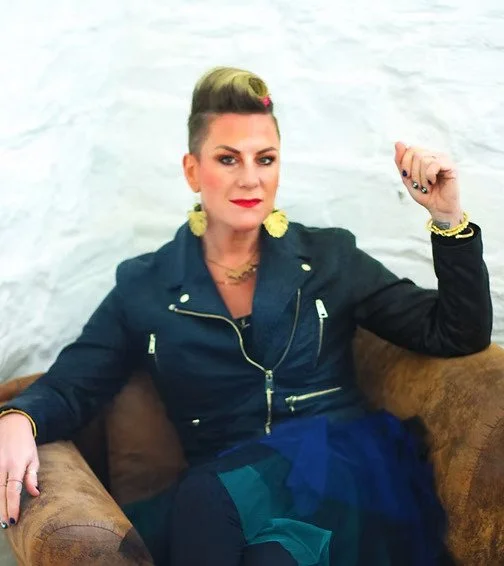
![Deirdre Ní Cheallaigh]()
Deirdre Ní Cheallaigh
Co-Founder and Head of Programmes
Deirdre is a cofounder of Beyond Stigma. For the last 8 years, she has served on its Board, three of them as Chairperson, responsible for governance and the strategic direction of Beyond Stigma’s work.Prior to joining Beyond Stigma, Deirdre worked in development for over 20 years, and lived and worked in Myanmar, Zimbabwe and Kenya, holding leadership roles on HIV and gender programmes. She has extensive experience in policy, programme management, and advocacy across diverse global contexts. She was appointed Head of Programmes in June 2024.
"I believe in creating spaces where people feel valued and heard, ensuring their voices shape the policies and programmes that impact their lives. Supporting people to overcome internal stigma and reconnect with their self-worth and dignity is one of the greatest privileges I have known" - Deirdre
-
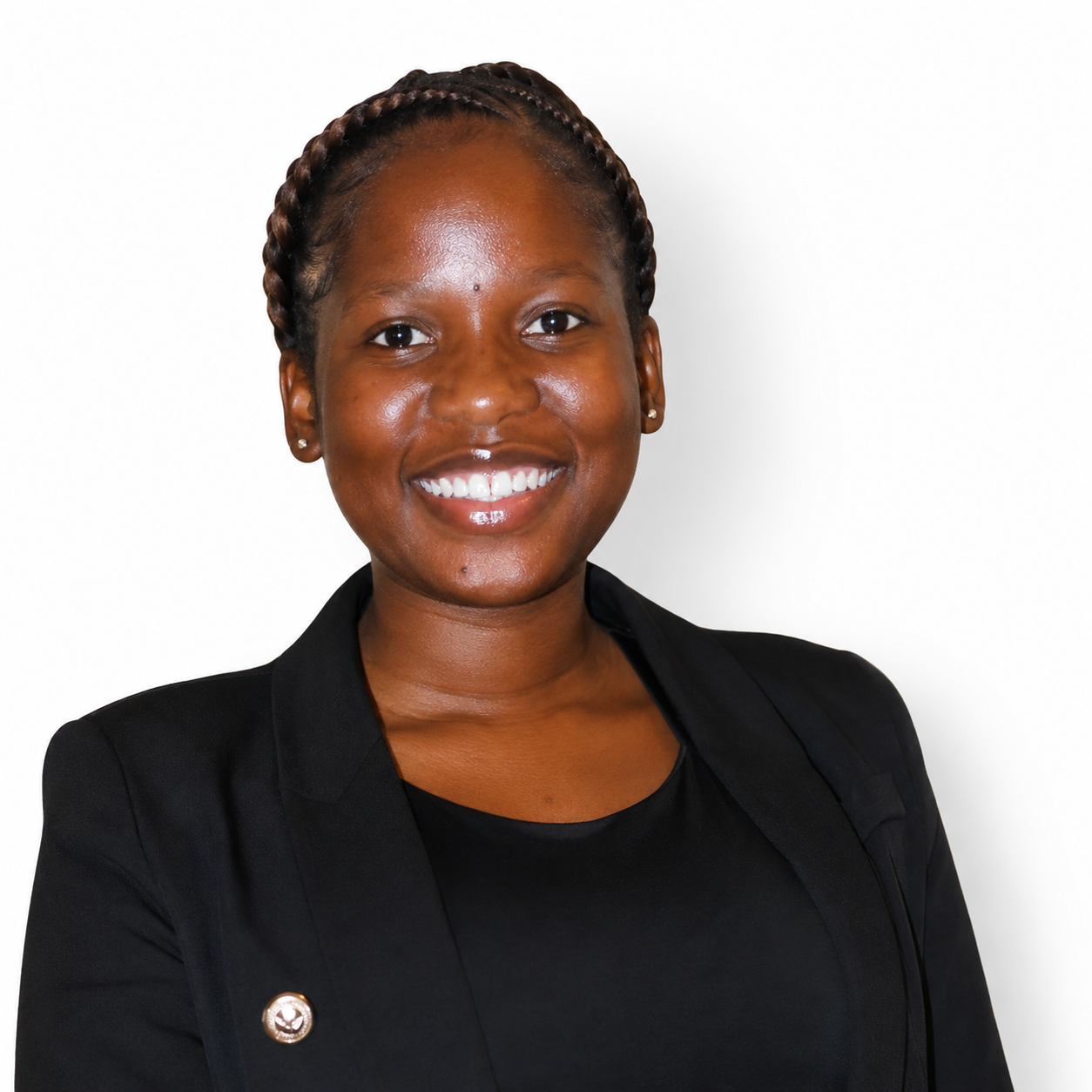
![ Vimbainashe Jazi]()
Vimbainashe Jazi
Project Officer
Vimbainashe Jazi is a passionate advocate for young people living with HIV, dedicated to improving their lives through support, training, and mentorship. With a strong background at Zvandiri, she shares her own journey openly, challenging internalised stigma and promoting self-love.At Beyond Stigma, Vimbai focuses on equipping adolescents and young adults with the skills to manage internal stigma and rediscover their self-worth. Her commitment to advocacy and her lived experience inspire others to recognise their potential and embrace growth as she fosters community engagement and enhances healthcare access.
“Self-worth is essential because, after struggling with internal stigma, I learned to embrace my value and potential through the work of Byron Katie. This transformative journey empowered me to overcome challenges and foster resilience, allowing me to not only thrive personally but also inspire others to recognise their worth”. - Vimbainashe
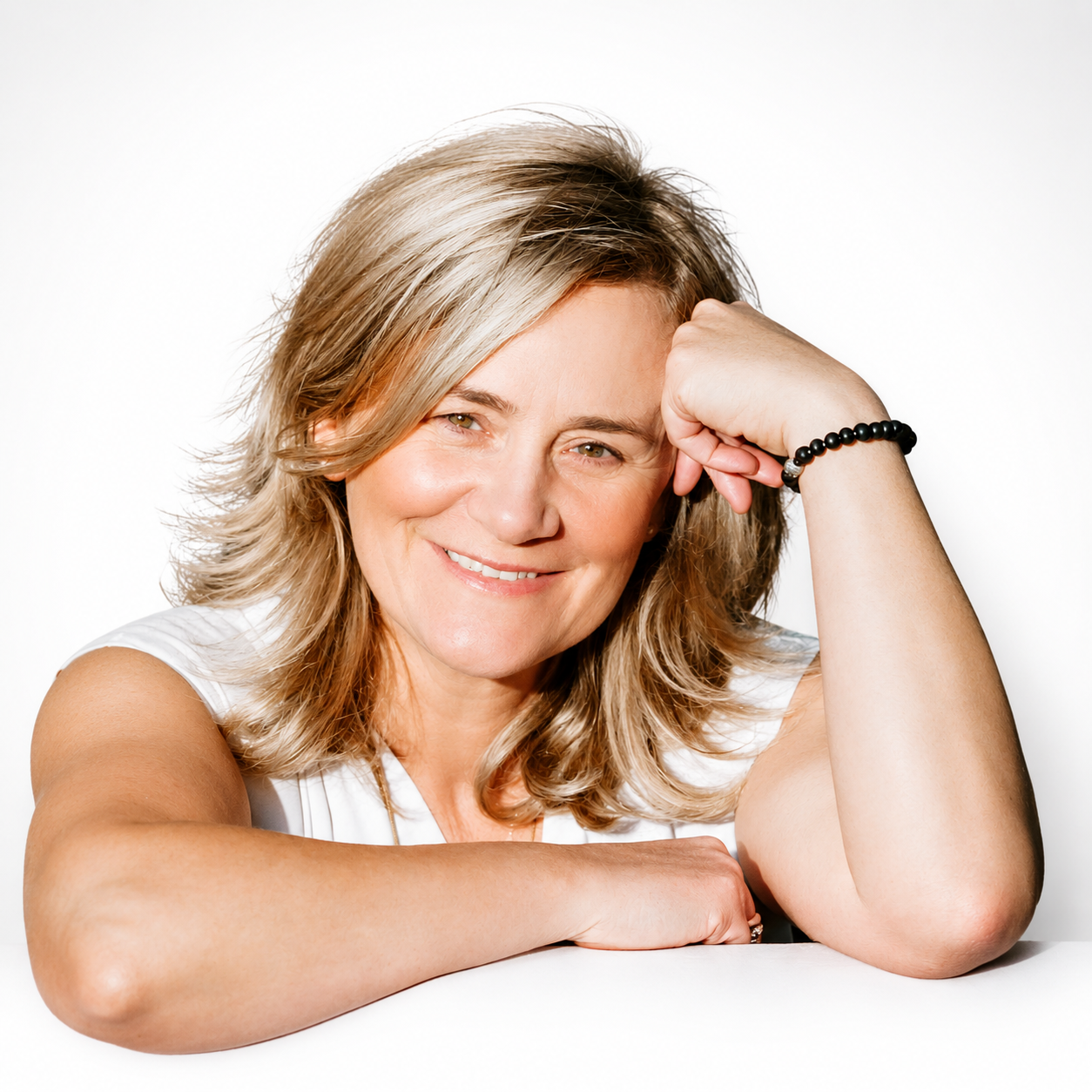
IBSR Facilitators
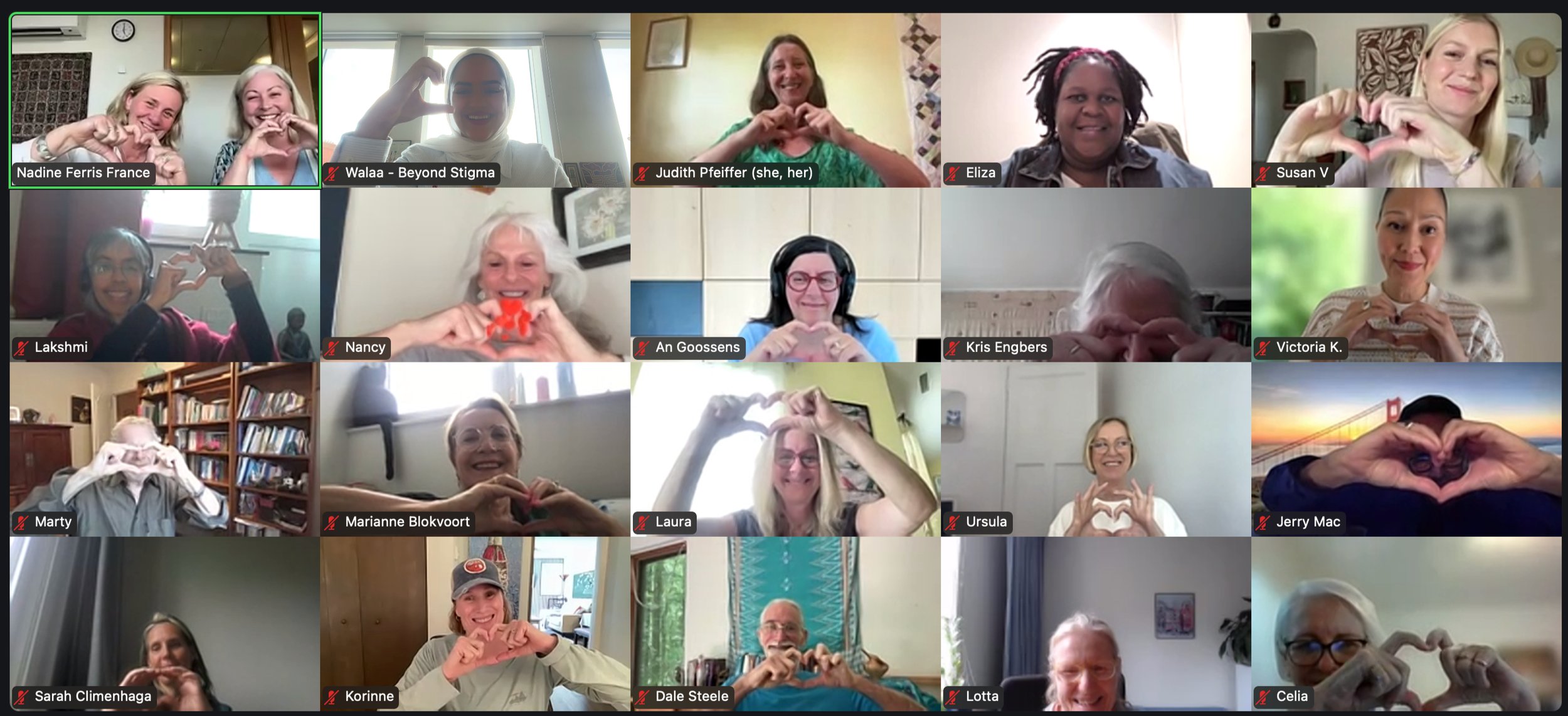
Volunteer IBSR Facilitators from all over the world continue to provide support to Beyond Stigma programmes. They provide mentoring, inquiry support sessions, online training and support with implementation of programmes. They create safe, empowering spaces where people in the Global South can train as IBSR Coaches and bring these skills back to their own communities. All Facilitators have been trained in IBSR (The Work of Bryon Katie).
Accountability
Our Board
-
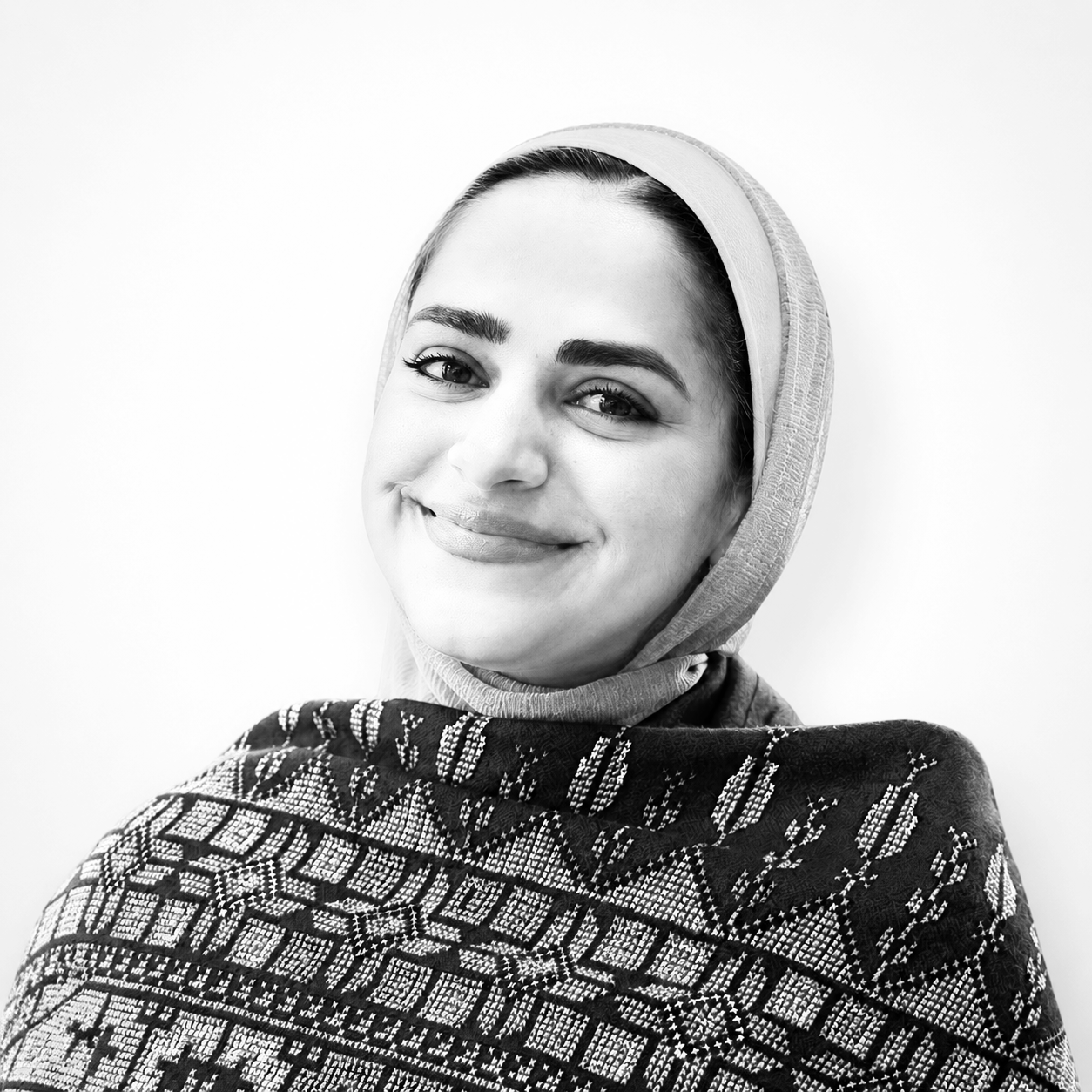
Walaa Al Abssi
Walaa Al Abssi holds a Master’s in Public Health from University College Dublin and a Dentistry degree from Al-Azhar University, Gaza.
With over four years of experience in both the Ministry of Health and the private sector, Walaa combines her clinical background with a strong commitment to community health. She works on curricula, training programs, and resources aimed at reducing stigma, promoting self-worth, and enhancing mental well-being across multiple countries. Her work is grounded in a vision to empower individuals and communities, reflecting her dedication to impactful, inclusive healthcare solutions on a global scale.
-

Professor Elaine Byrne
Elaine lived and worked in the Southern African region from 1987 to 2008, when she returned to Ireland to work with the Royal College of Surgeons in Ireland (RCSI) on Irish-Africa collaborative health systems research projects and to lecture in qualitative research methodology. She currently serves as Director of the Centre for Positive Health Sciences in RCSI.
Her expertise in qualitative research methods is sought as reviewer for a range of journals and as keynote speaker/guest lecturer (having given talks in Ireland, Norway, Mozambique, South Africa and Sudan). Elaine has been appointed external examiner for Tshwane University of Technology, South Africa; University of the Western Cape, South Africa; University of Cape Town, South Africa; University of Fort Hare, South Africa; University of Pretoria, South Africa; Cape Peninsula University of Technology, Cape Town, South Africa, and University of Oslo, Norway.
-

Ursula Carlin
Ursula is a practitioner and Certified Facilitator of IBSR - The Work of Byron Katie. She has been doing The Work on a daily basis for over 15 years. A TCD graduate and prizewinner, her career background is in marketing communications working with major national and multi-national companies, including not-for-profit, private and public sector organisations.
-

Professor Ronan Conroy
Ronán is an Emeritus Professor at the RCSI University of Medicine and Health Sciences. Former Professor of Biostatistics in RCSI with a background in psychology, psychiatric epidemiology and music. Ronán has worked in many countries across sub-Saharan Africa, South East Asia and the Middle East. His work has always had a significant focus on simple, sustainable, community-level health interventions. He is also a Meditator, an Organist and Choirmaster to a group of parishes in Dublin’s north inner city.
-

Ellen Keane Cope
Ellen is a practising lawyer who has worked with a number of private sector companies over the past 30 years. She is a strong human rights activist and an Adjunct Lecturer and Tutor at University College Dublin and actively contributes her expertise in various voluntary positions within the community.
-
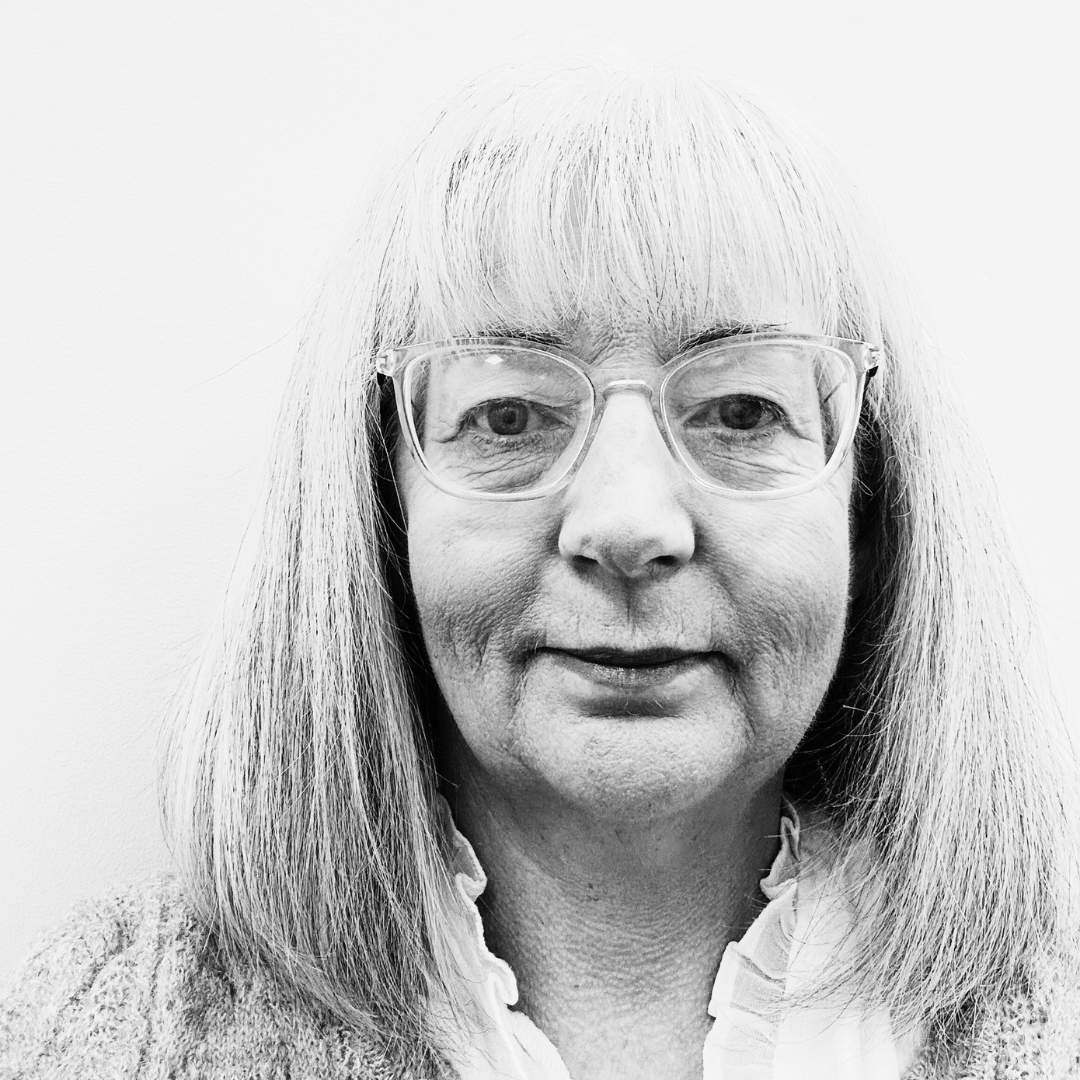
Dr. Jean Hughes
Dr. Jean Hughes is Director of Strategic Initiatives, in the President’s Office at Dublin City
University, coordinating university strategy, a range of strategic initiatives and responsible for all
government and HEA level university reporting.
Jean holds a BSc. in Computer Science and an MBA from DCU, a Doctorate in Education from
Queens University Belfast, a Graduate Certificate in Strategic Management from Harvard
University and a Professional Certificate in Governance from the Institute of Public Administration.
Jean has spent most of her career in higher education, in Ireland and the Middle East, in roles
across academic, academic management and senior university management. When working for
RCSI Bahrain, Jean worked closely with Prof Martin Corbally in establishing the Global Health
Initiative, developing a mechanism to map the medicine curriculum to global health opportunities.
Jean joined the board of Operation ChildLife as a non-executive director, with a focus on strategic
development as well as compliance. She joined the board of Beyond Stigma in 2025.
LinkedIn: www.linkedin.com/in/dr-jean-hughes
-
Professor Anne Mathews
Anne is a registered nurse and midwife and has worked in Ireland, England and Malawi. She is currently Associate Dean for Teaching & Learning at the Faculty of Health & Science at DCU Ireland and is a Full Professor of Nursing and Equality, Diversity & Inclusion Convenor, at the School of Nursing, Psychotherapy and Community, DCU. Her interests are in protecting and promoting sexual and reproductive health and rights and in improving maternal, newborn and child health and healthcare.
-

Fungai Murau
Fungai Murau, (MCIM, MA) is an award winning, highly experienced public health expert with emphasis in the HIV and Sexual and Reproductive Health and Rights (SRHR) fields. Fungai is a passionate researcher who believes that continued inclusive research is critical to achieving equitable health outcomes for all. Her expertise spans across research, policy, project management, global conference, and events management. Fungai currently works as an independent consultant.
She works to increase understanding on quality-of-life, treatment, pregnancy, migration, and the paediatric-to-adult transition for people living with and most affected by HIV. She has also engaged with community-led grassroot organisations in creating sustainable sanitary product provision initiatives.
Fungai is a member of the Board of Trustees for three charities: SWIFT (Supporting Women with HIV Information Network), Beyond Stigma and AMAZE, which focuses on supporting children with special educational needs and disabilities.
-
Dr. Brendan O'Shea
Dr Brendan O’Shea has been a General Practitioner in Co Kildare for over 30 years, providing personal medical care to individuals and their households.
He has been extensively involved in both medical education and research in the area of overweight and obesity, successfully completing doctoral research on childhood obesity at Trinity College in 2015.
He is Assistant Adjutant Professor at the Department of Public Health and Primary Care at Trinity College Dublin, and has previously acted as Chair of the National Clinical Advisory Group of the HSE National Obesity Programme.
-
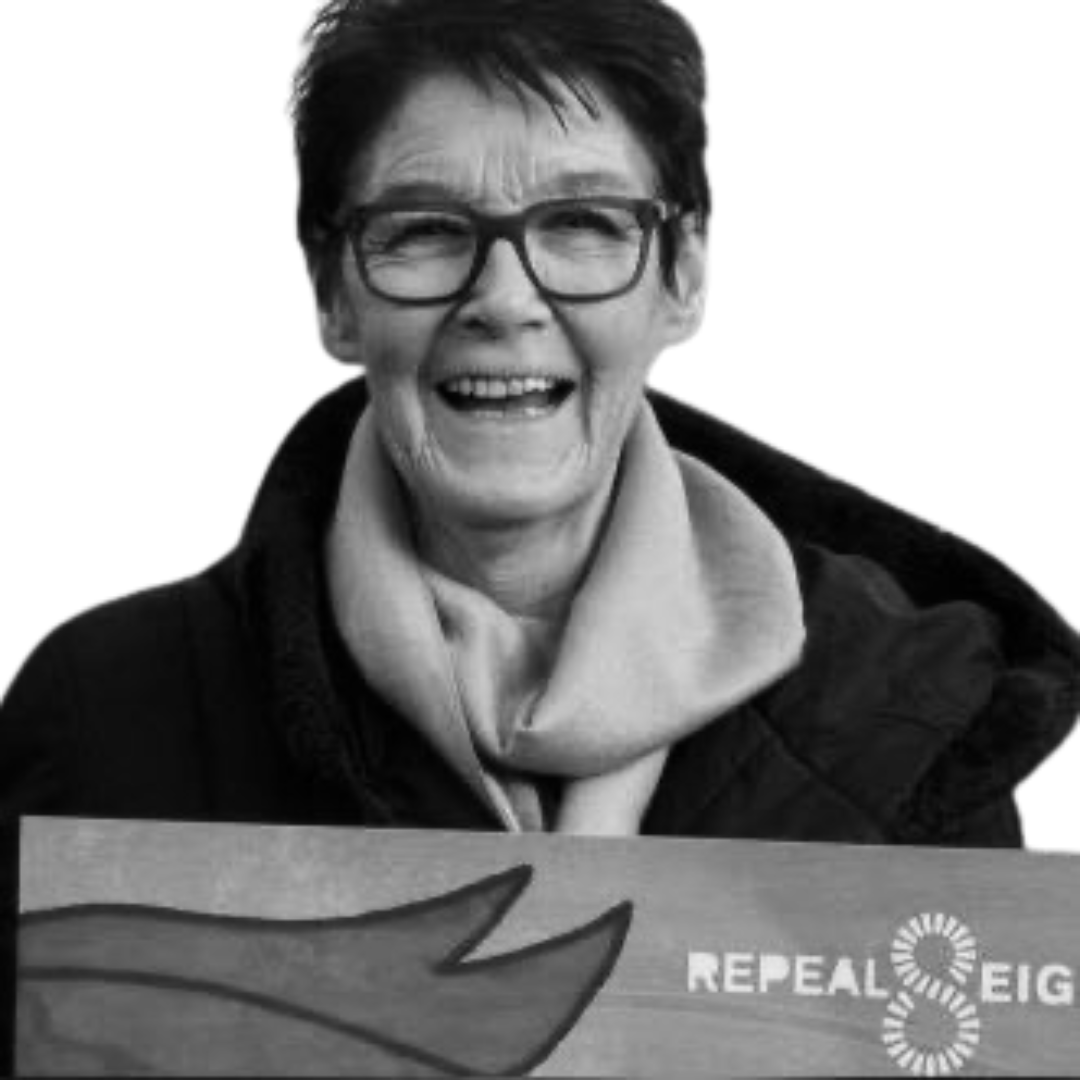
Ailbhe Smyth
Ailbhe was the founding head of Women’s Studies at University College Dublin and is a long-time feminist, LGBTIQ+ and socialist activist.
She played a central role in both the marriage equality and abortion referendums in Ireland. She chaired the NLGF (National Lesbian and Gay Federation) for many years and is currently Chair of Women’s Aid, former Chair of Ballyfermot STAR Addiction Service, and Patron of the Women’s Collective Ireland. Ailbhe was conferred with an honorary doctorate in Laws by the University of Galway.
She was named in Time Magazine’s list of the world’s 100 most influential people in 2019, and was made a Free Woman of the City of Dublin. She is the proud recipient of the ‘Lifetime Achievement’ GALAS award, and was recently made a Chevalier of the Legion d’Honneur by France.
Accountability & Finances
Beyond Stigma are accountable first and foremost to the communities who shape and work with us to implement programmes, as well as to the people who support and fund them. Communities can trust us to uphold the highest standards as partners in implementation, while supporters and funders can be assured that resources are used wisely and to the greatest impact.
Click the files to download reports
Our Partners
Beyond Stigma and the Global Partnership
Putting internal stigma at the heart of the HIV response
Beyond Stigma is proud to be a Technical Partner of the Global Partnership for Action to Eliminate All Forms of HIV-Related Stigma and Discrimination, a global initiative bringing together governments, civil society, communities, UN agencies and technical partners to accelerate action on HIV-related stigma and discrimination, hosted by UNAIDS.
-
Since 2018, the Global Partnership has helped countries turn commitments into practical action across health care, communities, education, workplaces, legal and justice systems, and emergency settings. Today, 40 countries have formally joined the Partnership.
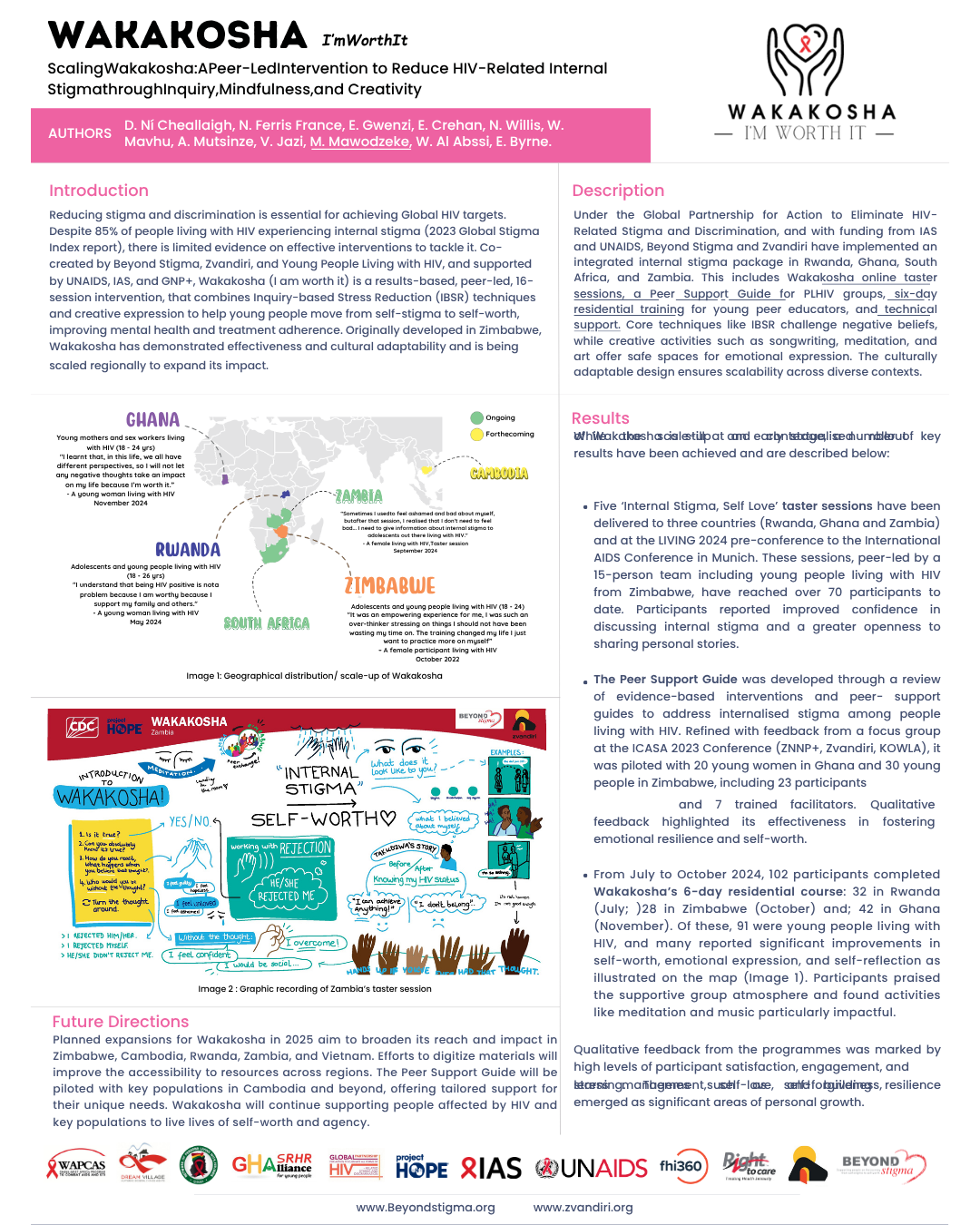
Internal stigma has been highlighted by the Global Partnership as a particularly important issue and Wakakosha is promoted as a flagship initiative of the Global Partnership.
Internal stigma and shame can affect how people see themselves, their relationships, wellbeing, confidence and engagement with HIV services. Our collaboration with the Global Partnership helps bring this dimension into national and global HIV responses, alongside action to address stigma and discrimination in systems and communities.
From internal stigma to self-worth
Since 2022, Beyond Stigma has provided technical assistance, training, programme delivery, research and advocacy to support partners to address internal stigma.
At the centre of this work is Wakakosha, our peer-led programme supporting people living with HIV to recognise and challenge harmful self-beliefs, build self-worth and strengthen peer support. Developed in Zimbabwe, Wakakosha has been adapted and delivered with partners in Rwanda, Ghana, South Africa and Zambia, helping to build local skills and ownership.
We have also developed and rolled out the Beyond Stigma Peer Support Guide, supported partners across countries including Ghana, Rwanda, Zambia, Uganda and Nigeria, and contributed to global learning, advocacy and research. Together, this work is helping to establish internal stigma as an important and practical part of comprehensive HIV responses.
Building what comes next
Our ambition is bigger than delivering individual programmes. We want addressing internal stigma to become a routine, recognised and sustainable part of HIV programming.
Through our collaboration with the Global Partnership, we are working with country partners to take proven approaches to scale, strengthen peer-led support, generate evidence and develop new ways to reach people, including through digital innovation.
In 2026, this includes supporting the integration of the Community-Led Internal Stigma Reduction Intervention (CLSRI), underpinned by Wakakosha, into national frameworks and programmes, strengthening country capacity, expanding the Self-Worth Collective and developing new learning and digital tools.
For Beyond Stigma, this partnership is about connecting global ambition with practical, community-led action: turning the recognition of internal stigma into meaningful support that helps people move from shame and self-stigma towards self-worth, self-agency and wellbeing.
Programme, Research and Funding Partners
Supporting Our Work
We are thankful to all who have collaborated to support people to move beyond stigma, to experience self-worth, positive mental health and well-being in Africa, Asia, and in Ireland


Our Research Partners:



Help Create Lasting Change
Together, we can help more people move from self-stigma to self-worth.
Choose how you'd like to support our work.