
INQUIRY-BASED STRESS REDUCTION (IBSR)
The foundation of our approach.
At Beyond Stigma, we believe lasting change begins from within.
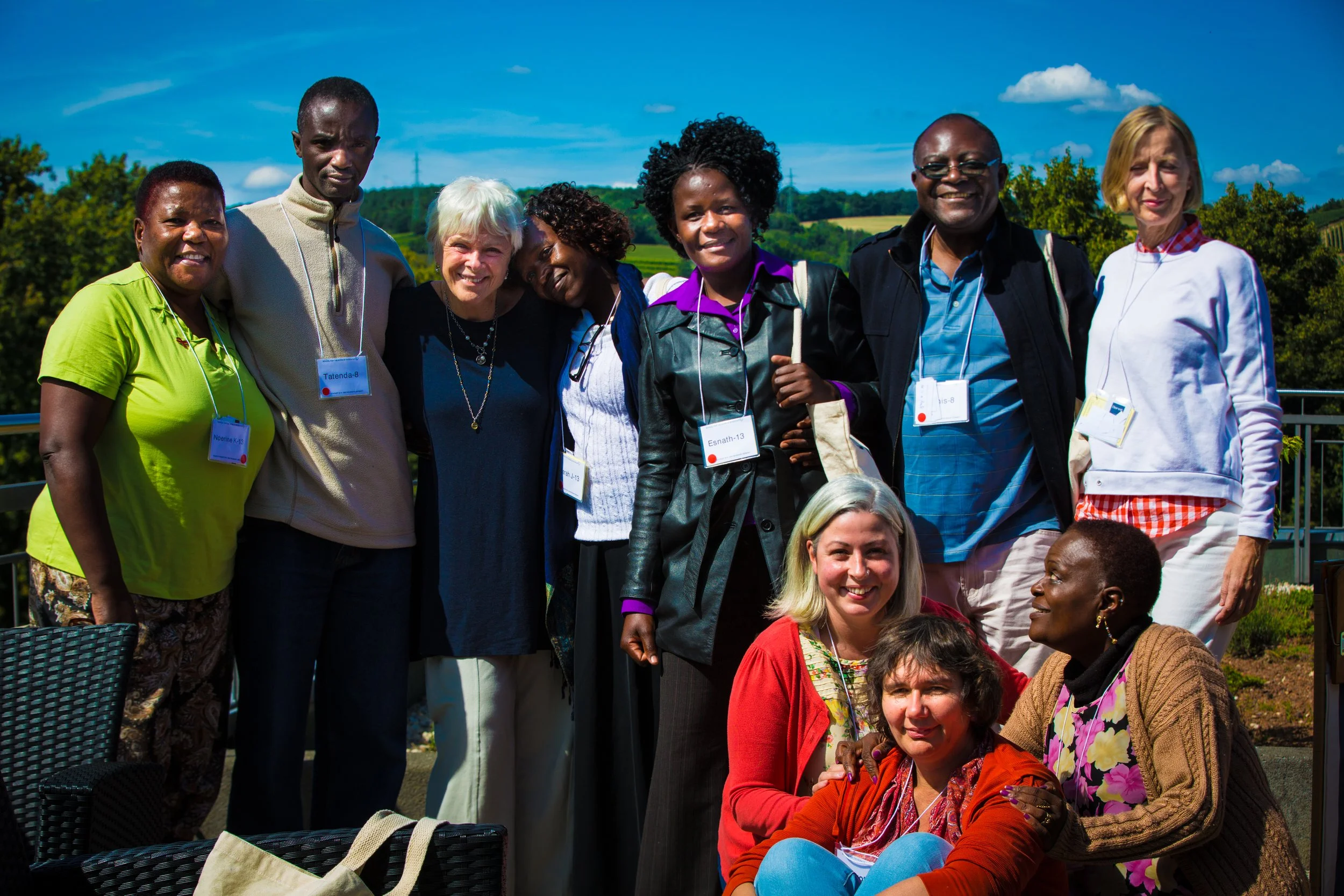
All of our programmes are built on Inquiry-Based Stress Reduction (IBSR)—a structured, evidence-informed approach that helps people recognise and question the stressful beliefs that contribute to internal stigma, shame and self-doubt.
Combined with creativity, lived experience and community-led practice, IBSR supports people to reconnect with their inherent worth, strengthen their resilience and improve their mental wellbeing.
What is IBSR?
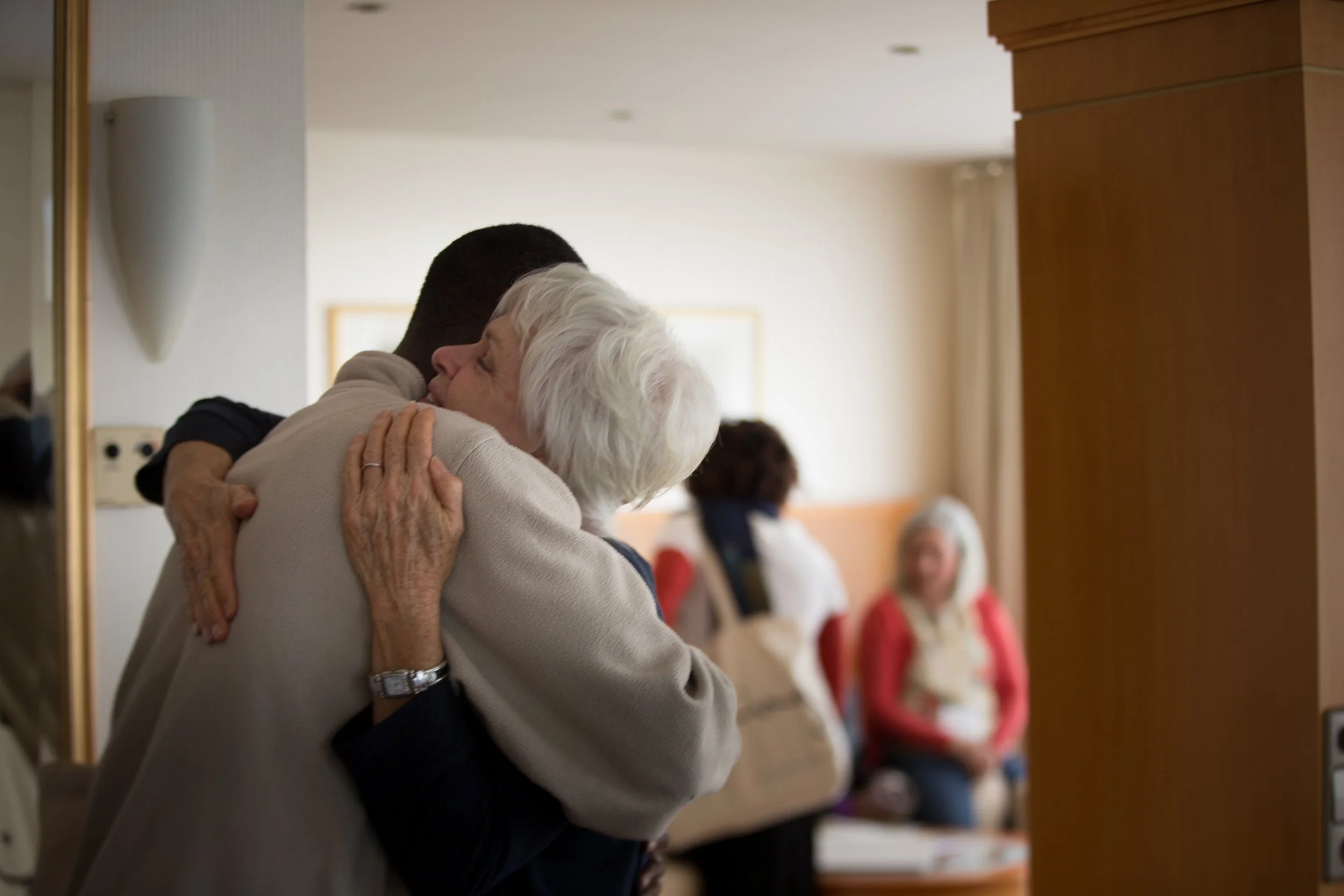
Inquiry-Based Stress Reduction (IBSR), also known as The Work of Byron Katie, is a simple yet powerful process of self-inquiry.
Rather than trying to change circumstances or suppress difficult emotions, IBSR encourages people to explore the thoughts that create emotional distress. Through a series of structured questions and reflective exercises, participants learn to examine these beliefs with curiosity, creating space for greater self-awareness, compassion and choice.
At Beyond Stigma, IBSR is never used in isolation. It is integrated with peer support, creativity, mindfulness, lived experience and community participation to create meaningful, lasting change.
How does it Work?
IBSR follows a simple but powerful process.
The beliefs that underlie shame, worthlessness and blame can be questioned with this process; allowing for new perspectives, insights and options that are kinder, more peaceful and empowered.
For example, imagine being newly diagnosed with HIV and immediately feeling scared and ashamed with the belief "People will reject me."
When this is believed it can spiral into a myriad of additional thoughts, "I have no one to talk to" "I can't handle it" "I don't deserve to be loved" "I'm less of a person" (Ferris France et al 2012) ..
-
Questioning the thought and finding a yes or a no.
-
A deeper invitation to examine certainty.
-
Observing the emotional and physical impact.g the emotional and physical impact.
Example)
When I believe the thought 'people will reject me' I feel inferior, ashamed and disgraced. I isolate myself. I don't want to tell anyone about it and keep my diagnosis a secret. I am afraid to be seen in line at the clinic and sometimes don't go to collect my medication. I feel inadequate to friends and family, see myself as dirty and my future as bleak. Memories come to mind of people in the past saying that good people don't get HIV. I hate myself and stop taking good care of myself. I see others as mean, judgmental and unfair
-
Imagining a life free from the limitations of this belief.
Example)
If I was unable to think the thought 'people will reject me' I see myself getting the diagnosis and better able to hear what the doctor is saying. Able to hear that there is medication, information and groups available to support me. I feel more peaceful and capable to deal with it; it's still tough news and, without the thought, I'm able to think of people I trust and could confide in. I'm open to asking for help. Without that thought my attention goes to how I can best take care of myself.
The Turnarounds
Consider alternative ways of seeing the situation through a series of "turnarounds," helping create space for greater clarity, compassion and choice.

Turnaround to the Opposite
Example)
People will reject me turns around to People won't reject me.
What are three genuine, honest examples that people won't reject me?
I may start to think of specific people in my life that I know will love and support me through this diagnosis - looking through my family, friends, medical professionals, people in support groups, etc. - is there anyone that I think will genuinely accept me the way I am?
Turnaround to the other
Example)
People will reject me turns around to I will reject people.
In the moment I believe people will reject me, and I start feeling ashamed and scared, what are examples that I'm rejecting others? What are three genuine ways, in that moment, that I am rejecting them?
Turnaround to yourself
Example)
People will reject me turns around to I will reject myself.
In the moment I believe people will reject me and start feeling ashamed and inferior, how am I rejecting myself? Am I treating myself with judgment and negativity? What are three genuine ways, in that moment, that I am not accepting myself?
An example of Byron Katie herself guiding a young woman through, ‘The Work’.
Why we use IBSR
Internal stigma often begins with the stories we tell ourselves.
"I'm not good enough."
"I don't deserve love."
"I'll always be judged."
These beliefs can affect every aspect of life, from mental health and relationships to healthcare engagement, confidence and hope for the future.
IBSR provides a practical way for people to question these beliefs rather than automatically believing them. As people begin to see themselves differently, they often experience greater self-worth, confidence, agency and emotional wellbeing.
This inside-out approach sits at the heart of Beyond Stigma's work and reflects our belief that everyone deserves the opportunity to recognise their inherent worth.
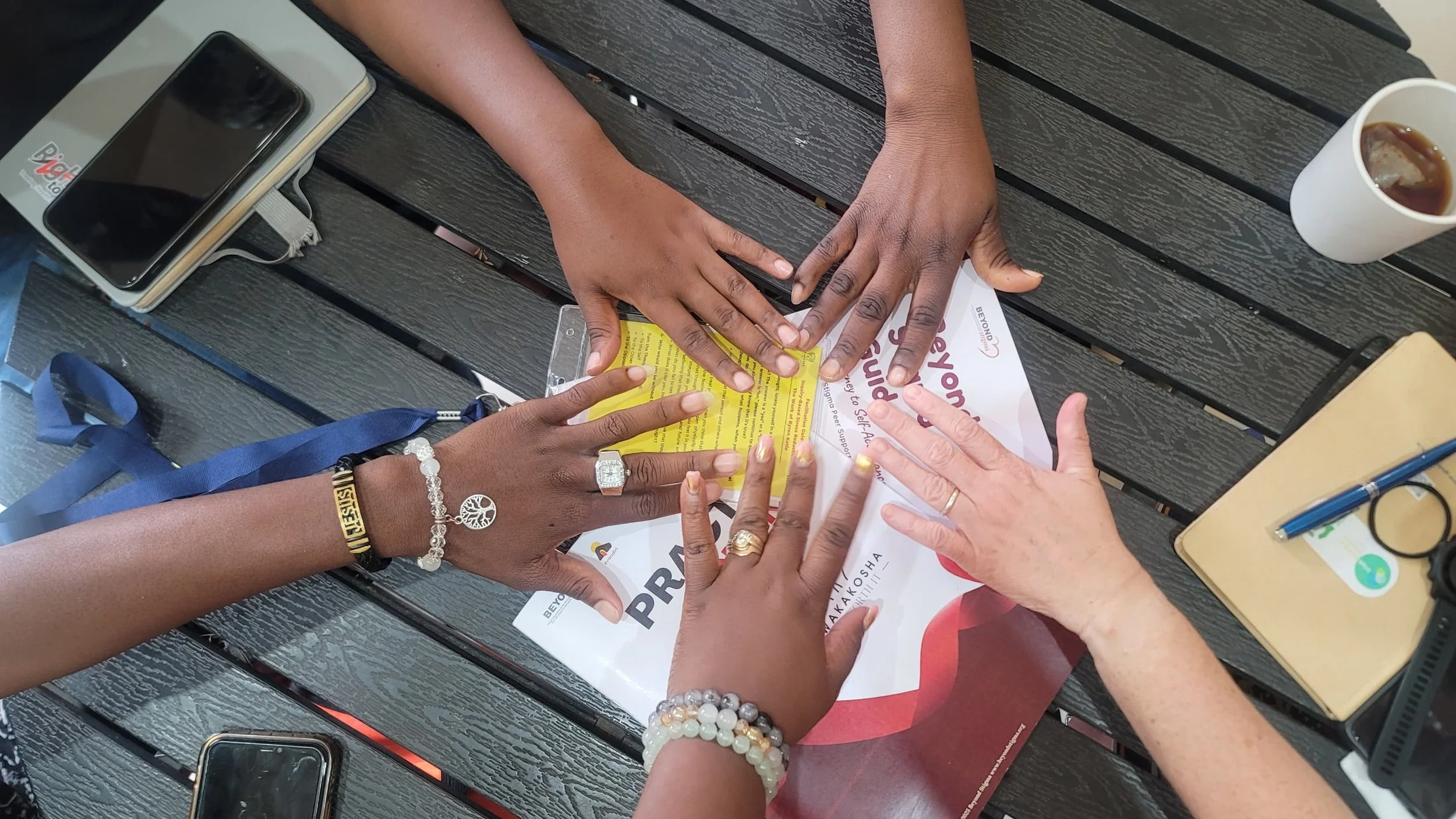
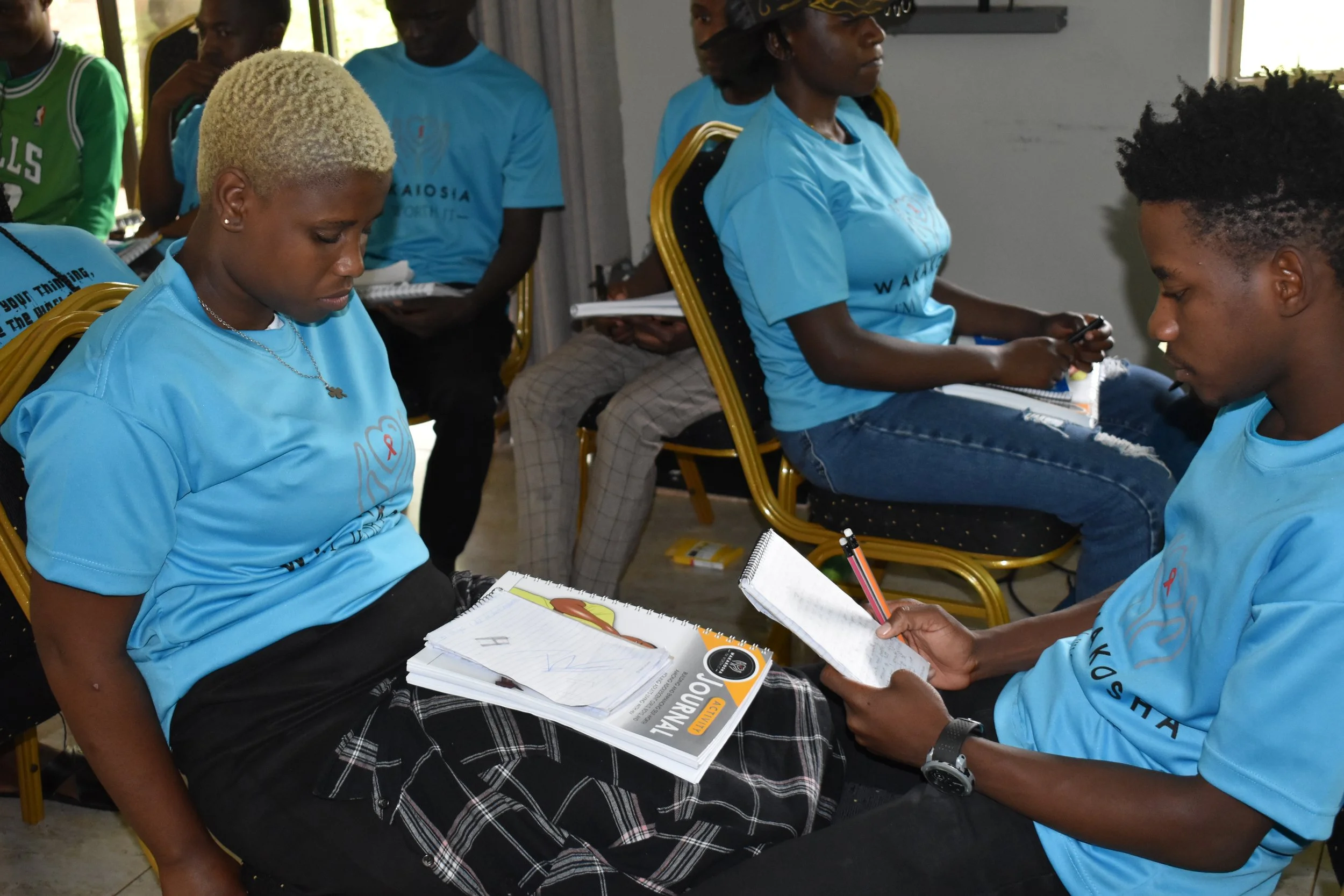
How IBSR supports our Programmes
IBSR is the foundational approach used in all of Beyond Stigma’s programmes and is integrated cross programmes in Ireland, Africa and Asia together with:
It works alongside:
❋ Creativity, music and storytelling
❋ Peer support and leadership
❋ Mindfulness, reflection and self-compassion
❋ Community partnership across borders
❋ Research and Innovation
Together, these approaches create meaningful, lasting change.
Help Create Lasting Change
Together, we can help more people move from self-stigma to self-worth.
Choose how you'd like to support our work.